2026-03-28
zero-knowledgeZero-Knowledge Encryption Explained for Practical Teams
Zero-knowledge encryption matters because it changes who must be trusted with your content. Instead of hoping the service provider protects readable data, the provider never receives the key needed to read it.
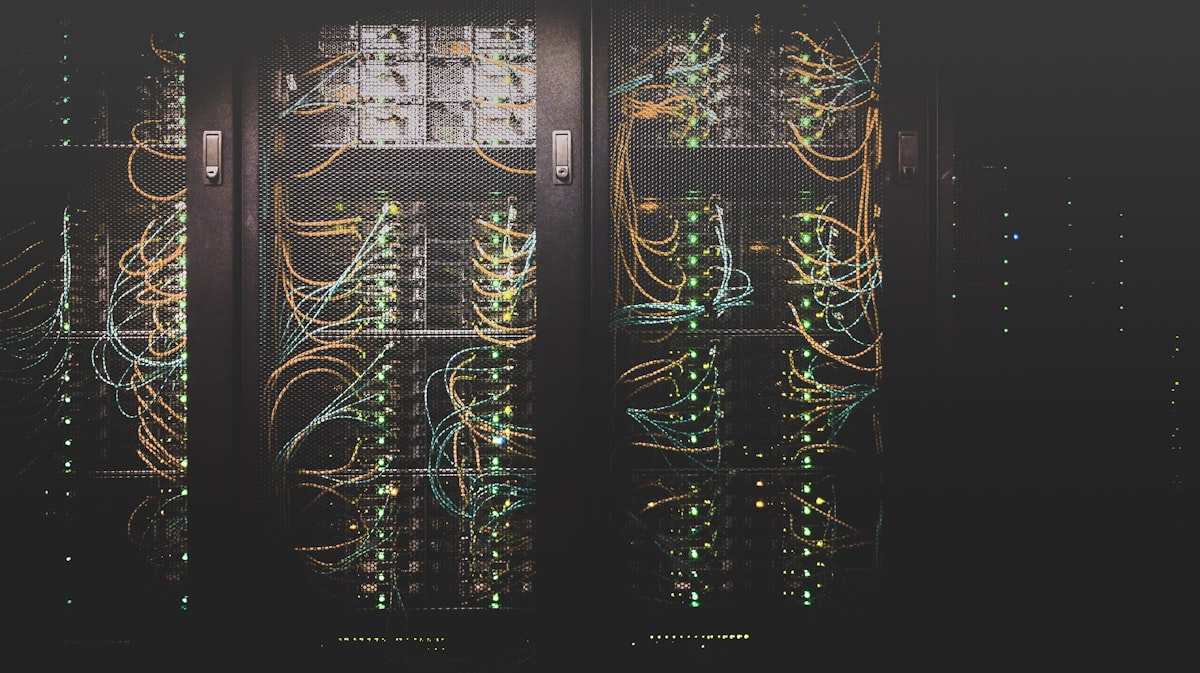
Zero-knowledge is not a slogan about privacy
It is an architectural decision that removes the service provider from the trust boundary around your message content.
What zero-knowledge encryption actually means
Zero-knowledge encryption is often described in one short sentence: the provider cannot read your content. That is true, but it is not enough to understand why the model matters. In many products, data is encrypted while traveling to the server and maybe even while stored on disk, but the provider still holds the keys or can decrypt the content during processing. That means the provider remains inside the trust boundary. If its infrastructure is breached, an insider abuses access, or a legal request reaches readable storage, the content itself is exposed.
Zero-knowledge encryption changes that design. The content is encrypted before upload, usually in the sender's browser or device, and the decryption key is kept outside the server's reach. The service can store ciphertext, handle expiry, enforce rate limits, and deliver the encrypted blob, but it never receives the material required to turn that blob back into a readable message. In practical terms, the provider can operate the transport and storage layer without having access to the content layer.
A concrete example makes the difference clearer. If an HR lead sends compensation data through a conventional sharing tool, the vendor may still hold readable content somewhere in its processing path. If the same file is sent through a zero-knowledge system, the vendor stores only ciphertext and cannot inspect salary tables, bonus logic, or employee identifiers. The same logic applies to a law firm sharing a draft settlement, a clinic sending a diagnostic report, or a founder transferring due-diligence documents.
Put differently: in a traditional tool, a storage compromise can expose a PDF, spreadsheet, or message exactly as it was written. In a zero-knowledge tool, the same compromise exposes encrypted blobs that still require the missing key. That distinction is why teams in HR, legal, finance, and healthcare care about the model in practice, not just in theory.
At mboxly.app, the message is encrypted locally and the key lives in the URL fragment, which the browser does not send to the server. That mechanism is explained separately in how the URL fragment keeps your key private. The important point here is the consequence: the server stores only unreadable ciphertext.
Why this changes the risk model more than ordinary encryption claims
Most business users have already heard that a tool uses encryption, but the word is overloaded. TLS protects data in transit, encrypted disks protect physical storage, and application-level encryption may still leave a provider with full decryption ability. All of those controls matter, but none of them alone creates a zero-knowledge model. The question that matters is simple: if the provider wanted to inspect the content, or if someone compromised the provider, could the content still be read?
With zero-knowledge encryption, the answer is structurally different. A breached database yields ciphertext. A server log does not reveal the message body. A support employee cannot inspect the document to solve a customer issue. That does not eliminate all security and privacy problems, because metadata may still exist and endpoints still matter, but it dramatically narrows what a platform incident can expose. For many organizations, that difference is the line between a manageable technical event and a serious confidentiality incident.
Imagine two incidents. In the first, an ordinary file-sharing platform is breached and attackers reach stored project folders in readable form. The organization must assume contract drafts, salary data, and personal records may already be exposed. In the second, the same storage event happens against a zero-knowledge platform. Attackers still get data, but what they get is encrypted blobs without the keys needed to interpret them. The severity analysis starts from a materially better position.
A concrete workflow example makes that easier to judge. An HR team sharing a compensation spreadsheet, a law firm sending a draft settlement, a clinic delivering a diagnostic PDF, and a founder circulating due-diligence folders all face the same question: does the provider ever sit in the middle with readable content? In a zero-knowledge workflow, the answer is no. Both teams are still outsourcing transport and storage, but not readable access. That is a meaningful operational difference, not only a technical slogan.
There is another practical consequence: zero-knowledge systems often force product discipline. Because the provider cannot inspect content, features that depend on server-side reading become harder or impossible. Deep preview generation, server-side indexing, and content scanning may require compromises. That trade-off is real, and it is useful to be explicit about it. Privacy is strongest when the service genuinely gives up visibility, not when it claims privacy while retaining convenient access behind the scenes.
If you want to see how the same architecture translates into workflow, compare this model with secure file drop and Time Vault. Both are product-level examples of what zero-knowledge means in day-to-day use.
Short version
Zero-knowledge encryption matters because a provider cannot leak, inspect, or surrender plaintext it never had in the first place.
That is the practical difference between privacy by architecture and privacy by promise.
What zero-knowledge does and does not protect
It is important not to oversell the concept. Zero-knowledge encryption protects content secrecy. It does not mean every trace of activity disappears. A service may still know when a message was created, when it expires, approximate file size, or that a specific resource was requested. The sender's device and the recipient's device still need to be trusted not to leak the content locally. And if someone shares the full secure link carelessly, the cryptography cannot compensate for that human mistake.
Even with those limits, the model is extremely strong for business communication because the most damaging class of exposure is often server-side readability. When organizations say they want private sharing, they usually mean they do not want a platform operator, a compromised storage layer, or a third-party processor to sit in the middle with readable content. Zero-knowledge directly addresses that concern.
For teams evaluating tools, the right test is straightforward. Ask where encryption happens, who generates the key, whether the provider can ever reconstruct the plaintext, and what logs or systems can observe the key. If the answers are vague, the product is probably not truly zero-knowledge. If the answers are concrete and browser-enforced, the architecture is doing real work rather than relying on marketing language.
As a practical buying signal, this is why procurement and security teams should ask vendors for an end-to-end description of the flow, not just a checkbox saying encrypted. A credible answer names the encryption point, the key path, and the systems that never see the key. For example, a serious vendor should be able to say that the key is created in the browser, stored outside the server path, and never appears in application logs or support tooling. That level of clarity usually separates real architectural privacy from ordinary storage encryption dressed up in stronger language.
That is why zero-knowledge encryption is more than a technical feature. It is a governance choice about who should be able to see sensitive information at all. For organizations that want to reduce both breach impact and day-to-day overexposure, that choice is often the difference between ordinary encrypted storage and genuinely private sharing.
Najczęstsze pytania
Questions about zero-knowledge encryption
- Can a zero-knowledge provider read my files later if needed?
-
No, not if the system is genuinely zero-knowledge. The provider may store the encrypted data, but without the key it cannot turn that data back into readable plaintext.
- Is zero-knowledge the same as TLS or encrypted storage?
-
No. TLS and encrypted disks are useful controls, but they do not automatically prevent the provider from reading your content. Zero-knowledge is about who has decryption capability.
- Does zero-knowledge remove all metadata?
-
No. It protects content, not every surrounding fact about the transaction. Timing, approximate size, and other metadata may still exist.
- Why is this important for ordinary business teams?
-
Because the most common risk is not theoretical cryptography failure. It is that too many systems and people can read content they do not need to see. Zero-knowledge narrows that exposure by design.
Czytaj dalej
Więcej z kategorii zero-knowledge

Zero-knowledge a RODO i naruszenie danych: co się zmienia
Architektura zero-knowledge realnie zmienia ocenę skutków incydentu pod RODO, zwłaszcza gdy trzeba ustalić, czy doszło do ekspozycji danych osobowych w czytelnej formie.
Czytaj dalej
Jak działa szyfrowanie zero-knowledge w praktyce
Szyfrowanie zero-knowledge ma znaczenie dlatego, że zmienia to, komu w ogóle trzeba ufać przy udostępnianiu treści. Dostawca usługi nie chroni czytelnych danych, bo nigdy nie dostaje klucza potrzebnego do ich odczytu.
Czytaj dalej